 España
Fabada Asturiana: history, tradition and how to enjoy it anywhere
he origins of Fabada Asturiana

Fabada has centuries of history. Its base is the Asturian faba bean, introduced to Europe after the discovery of the Americas. By the 16th and 17th centuries, these beans had become part of the local diet, eventually forming the heart of Asturian gastronomy.
This dish was created to fight the cold winters and give energy to farmers and miners. What started as humble food soon became a culinary symbol and a proud tradition of Asturias. Today, Fabada is enjoyed both in prestigious restaurants and in family kitchens on special occasions.
The essential ingredients
A proper Fabada Asturiana needs three key elements:
-
Asturian faba beans: large, tender white beans with a buttery texture.
-
Compango: the soul of Fabada, made up of chorizo, morcilla (Spanish black pudding), and cured pork belly. Its smoky, savoury flavour is what gives the stew its unmistakable character. You can order it easily from our online shop with the Asturian Compango for Fabada Muttimax, prepared specifically for this dish.
-
Other ingredients: garlic, onion, bay leaf, and a touch of saffron or paprika for colour and aroma.
Compango: the secret of Fabada
The Asturian compango is much more than a side ingredient: it is the heart of the dish. Traditionally, it includes:
-
Asturian chorizo: intense, with that unmistakeable smoky touch.
-
Asturian morcilla (black pudding): made with onion, it gives the stew a deep and unique flavour.
-
Cured pork belly or bacon: adds richness and juiciness.
In Asturias, beans and compango are inseparable, often spoken of as a single entity. If you want to cook a real Fabada at home, the Muttimax Compango is the perfect choice, providing exactly the right cuts to replicate the authentic flavour.
How to prepare Fabada
Cooking Fabada the traditional way takes patience:
-
Soak the beans overnight in cold water.
-
The next day, drain them and place them in a large pot covered with fresh water.
-
Add the compango (chorizo, morcilla and pork belly).
-
Add bay leaf, a little onion and a drizzle of olive oil.
-
Simmer slowly for two to three hours, adding a splash of cold water if needed to keep the beans tender without breaking.
The result is a thick, hearty stew, with creamy beans and a broth infused with the smoky flavour of the compango. A dish that speaks of tradition and slow cooking, just like in Asturias.
Quick alternatives: ready-to-eat Fabada
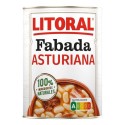
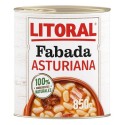
We know it’s not always possible to spend hours cooking, and outside of Spain it can be difficult to find the right ingredients. That’s why there are convenient options such as Litoral Fabada Asturiana.
This ready-to-heat meal is perfect for those who want to enjoy the essence of Fabada without complications. Litoral has been a trusted name in Spanish households for decades, and now anyone living abroad can relive that taste of Asturias thanks to Your Spanish Corner.
How to serve Fabada
Fabada is a filling main dish, full of flavour. It’s best served with crusty bread to soak up the broth, and ideally paired with a glass of traditional Asturian natural cider. A young red wine also works beautifully to balance the richness of the compango.
In Asturias, Fabada is usually enough on its own – after a bowl, all you need is a good conversation and perhaps a light dessert like rice pudding.
Fabada for fans of Spanish cuisine
Living outside Spain often means missing the flavours of home. Fabada Asturiana is one of those dishes that brings back memories of family gatherings and cosy winter meals in northern Spain.
Thanks to www.yourspanishcorner.com, you can order both the ready-to-eat Litoral Fabada and the Muttimax compango, choosing whether you prefer the ease of a prepared dish or the satisfaction of cooking it yourself.
Fun facts about Fabada Asturiana
-
Fabada is celebrated every year in culinary competitions across Asturias to find the best recipe.
-
It is recognised as part of Spain’s culinary heritage and is one of the country’s most exported recipes.
-
Like many stews, it tastes even better the next day, once the flavours have deepened and the broth thickened.
The Fabada Asturiana is more than just a stew: it is history, culture, and a true symbol of Spanish cooking.
If you’ve never tried it, now is the perfect time to discover why it’s one of Spain’s most loved dishes. Visit www.yourspanishcorner.com to explore more authentic Spanish products.