
 España
The Roscón de Reyes: A Delicious and Traditional Christmas Treasure in Spain
Historical Origins of the Roscón de Reyes:

The history of the Roscón de Reyes is intertwined with ancient pagan celebrations and religious festivities. The tradition is said to have its origins in ancient Rome, where during the Saturnalia festivities sweet breads decorated with figs and dates were made. With the Christianization of these festivities, the tradition of sweet bread evolved to commemorate Epiphany, the arrival of the Three Wise Men.
In Spain, the figure of the Three Wise Men acquired great importance in the Middle Ages, and the custom of celebrating January 6 as the day of the Epiphany took deep root. It was then that the Roscón de Reyes became the protagonist of the festive tables, symbolizing the crown that the Three Wise Men wore on their visit to the Child Jesus.

The figurines of the Roscón de Reyes
The Roscón de Reyes in Spain traditionally contains two surprise elements inside: a small figurine representing the Baby Jesus and a dried bean. These elements not only add excitement to the experience of cutting and serving the Roscón, but they also have a special meaning.
Figurine of the Child Jesus:
The figurine of the Child Jesus symbolizes the search for Jesus by the Three Wise Men on the Epiphany. He who finds the figure in his portion of the Roscón symbolically becomes the "godfather" or "godmother" of the Baby Jesus and is often said to have good luck during the coming year. Furthermore, some families consider that whoever finds the figure is obliged to buy or make the Roscón in the following year.
Dried Bean:
Dried broad bean, on the other hand, has a different connotation. In some places, the person who finds the bean in their portion is considered "the king" or "queen" of the celebration, but they also have to pay for the Roscón or assume some responsibility associated with the festivity. In some cases, custom dictates that whoever finds the bean must be in charge of organizing the Three Kings' Day celebration the following year.
History of the Incorporation of Surprises in the Roscón de Reyes
The tradition of hiding surprises in the Roscón de Reyes dates back to ancient times and is related to the idea of celebrating the Epiphany as an event full of surprises and gifts. The custom of hiding objects in festive foods is common in many cultures and is associated with rituals of good luck, prosperity and blessings for the coming year.
As for when these surprises were incorporated into the Roscón, there is no exact date, as traditions evolve over time. However, it can be said that the practice of hiding surprise elements in baked goods during holidays has been around for centuries and has been adopted and adapted by various cultures. In the case of the Roscón de Reyes in Spain, these surprises have added a playful and symbolic element to the celebration of the Epiphany.
Ingredients of spanish Roscón de Reyes
The Roscón de Reyes recipe is laborious but very easy to make, it combines simple ingredients with a touch of culinary magic. Essential components include quality flour, sugar, eggs, yeast, butter and a pinch of salt. The dough is enriched with orange zest and orange blossom water, giving it a distinctive citrus aroma.
The decoration of the Roscón is equally special, with candied fruits, flaked almonds and icing sugar that give it a festive and appetizing appearance. Inside, there are often surprises and figurines hidden that add excitement to the experience of cutting it into portions.
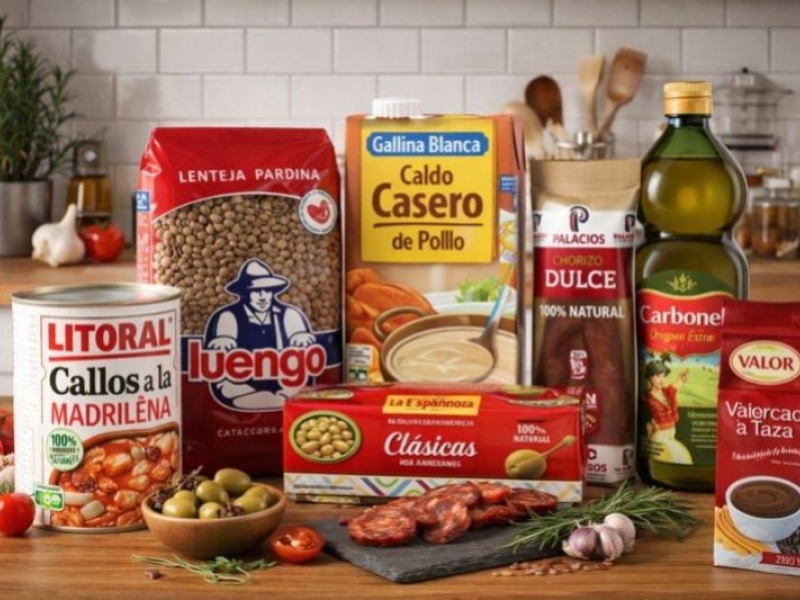
The vast majority of the ingredients are easy to find outside of Spain, except perhaps for orange blossom water and some others that you can find in our store in the Christmas category along with other Christmas sweets such as the popular Suchard nougat or all types of mantecados and powders. We remind you that we ship to all EU countries and also to the United Kingdom!!
Recipe for Roscón de Reyes:
Start by mixing the yeast with a little warm milk and a pinch of sugar. Let it rest until the yeast ferments and forms bubbles.
In a large bowl, sift the flour and mix it with the sugar and salt. Add the eggs and orange zest.
Add the activated yeast and mix well. Add the butter in small pieces, kneading the dough until you obtain a smooth and elastic texture.
Let the dough rest in a warm place until it doubles in size.
Form a donut with the dough and place it on a baking tray. Let it rest again.
Decorate the Roscón with the candied fruits and flaked almonds before baking it at a moderate temperature until golden.
Once cooled, hide the surprises and figurines inside, and sprinkle with icing sugar.
You can also follow the step-by-step preparation of a Roscón de Reyes in the video recipe on our YouTube channel that we leave you below and where we share recipes for typical dishes of Spanish cuisine.
May each bite take you on a journey full of history and unique flavors!