 España
Turrón, much more than a Christmas sweet: traditions and curiosities
A journey through the history of turrón


Turrón is a jewel of traditional Spanish confectionery, and according to historians, its roots lie in Arab gastronomy. Although the exact origin of turrón is not known, the most accepted theory is that this sweet was introduced to the peninsula during the Muslim occupation (8th to 15th centuries). The Arabs had a tradition of making sweets based on honey and nuts, especially almonds, ingredients that are also the basis of turrón. This type of preparation was popular for its long shelf life, making it ideal for preservation in warm climates.
The first documented reference to turrón in Spain is found in texts from the 15th century. The Valencian poet Juan de Timoneda mentions it in his writings, suggesting that it was already a known sweet in the Valencia region. However, the towns of Alicante and Jijona are emblematic in the history of turrón and are known for producing the most famous varieties: Turrón de Alicante, crunchy and firm, characteristic of hard turrón, and the soft Turrón de Jijona, with a creamier texture. Both turrons have protected designation of origin, ensuring exceptional quality and authenticity in the purest traditional style.
During the 16th century, turrón was already very popular in Spain, especially in the Levante region, and it became a regular food during Christmas celebrations. In fact, some historical documents show that turrón was considered a luxury item at the Spanish court, and its consumption became widespread among the wealthiest classes of the time.
From the 19th century onwards, turrón began to be produced industrially while maintaining its traditional values, which allowed its consumption to extend beyond the regions of Alicante and Jijona. The traditional turrón recipes, passed down and preserved through generations, began to adapt and evolve, incorporating new ingredients such as chocolate and marzipan, offering new flavors and creating hundreds of varieties.
By the 20th century, turrón had gained popularity outside of Spain and became a national gastronomic symbol. Production techniques were perfected, but traditional manufacturers, especially in Jijona and Alicante, maintained their artisanal methods. Today, turrón remains an iconic sweet during Christmas celebrations, but it has also gained prominence throughout the year thanks to the diversity of types and flavors that have been developed and adapted to new consumers
Christmas traditions and beyond
Although turrón is inseparable from Christmas in Spain, its qualities and uses are not limited to this time of year. More and more people are enjoying this sweet year-round, not only for its flavor but also for its versatility in modern cuisine. From desserts to innovative recipes, even in ice creams and drinks, it’s clear that turrón has earned an important place in Spanish gastronomy beyond the traditional Christmas festivities.
Among the curiosities of turrón, it is worth noting its importance as a Christmas gift. Since ancient times, giving turrón was synonymous with prosperity and good wishes. Today, this tradition remains alive, and besides the classic and most traditional versions, we can find a wide range of gourmet turrons and artisanal turrons, ranging from familiar flavors to exotic combinations capable of surprising even the most discerning palates.
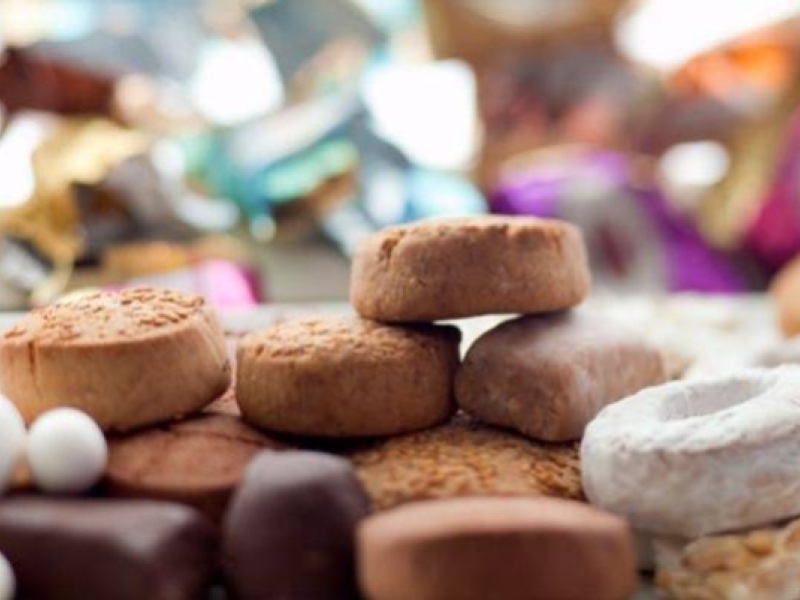
Nowadays, as Christmas approaches, you can find this delicious sweet in any supermarket or food store anywhere in Spain. A tray of turrons is something that can never be missing from any Spanish home during Christmas. If you're abroad, you can find them in our section of Spanish turrons.
Types of turrón and its evolution
Like everything in life, turrón has managed to evolve over time, adapting to the needs and preferences of modern consumers. In recent years, the variety of sugar-free turrons and turrons for diabetics has grown, made with natural sweeteners, allowing everyone to enjoy this delicious sweet without sacrificing health and catering to those who prefer a healthy diet. In addition, we find more sophisticated varieties such as gourmet turrons, which incorporate innovative ingredients and new presentations beyond the traditional bar.
Although the best-known types of turrón are the traditional ones, such as Turrón de Alicante and Turrón de Jijona, there are also versions with chocolate, toasted yolk, candied fruits, and classic Spanish sweets like Conguitos, among others. The great versatility that this sweet offers makes it a product that can adapt to different tastes and occasions.
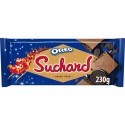
While many turrons are made in Spain with various flavors, there are some brands that never miss their Christmas appointment and are successful year after year, such asSuchard's chocolate turrón with puffed rice or the traditional Delaviuda hard turrón.
Ingredients and artisanal production
One of the most valued aspects of turrón is its artisanal production process. The basic ingredients, such as quality almonds and pure honey, are mixed in the traditional way to achieve the most appreciated and valued turrón over generations. Although today there are industrial processes for its production, artisanal turrons are still highly valued for their authentic flavor and the value they bring through their connection with Spain's most deeply rooted traditions.
Turrón in modern cuisine

Turrón has also found a place in modern cuisine, where chefs and pastry chefs experiment with new recipes and presentation styles. From ice creams to cakes and mousses, this sweet has become a key ingredient in creating original desserts that increasingly surprise consumers. Moreover, its use is not limited to sweet dishes; some daring cooks have begun to integrate turrón into savory dishes, creating some very interesting flavor contrasts.
Without a doubt, turrón is one of the great treasures of Spanish gastronomy and its oldest traditions. Its rich history, versatility, and the wide variety of flavors it offers make it much more than just a Christmas sweet. Whether you prefer the more traditional versions or the most modern innovations, turrón is a gift for all palates that can be enjoyed all year round. So, the next time you find yourself in front of a tray of turrón, remember that you are tasting centuries of tradition and passion for confectionery.