 España
Five traditional Spanish dishes, from fabada to migas

Traditional Spanish stews tell you a great deal about the way people cook at home. In Asturias, white beans simmer with chorizo and other cured meats. In Madrid, a bowl of noodle soup opens a meal that goes on to chickpeas, vegetables and meat. In La Rioja, chorizo gives a pot of lentils its character. And in Castilla-La Mancha, yesterday’s bread goes into a frying pan to make migas, a dish that belongs alongside these classics of Spanish home cooking.
Some of these dishes arrive in one bowl, others come to the table in stages, and a few practically call for bread to mop up the sauce. Here’s how five Spanish favourites are prepared and served, with ideas for cooking them yourself or enjoying them on a busy day.
Fabada asturiana, the Asturian white bean stew
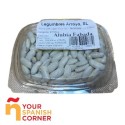
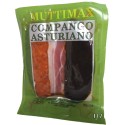
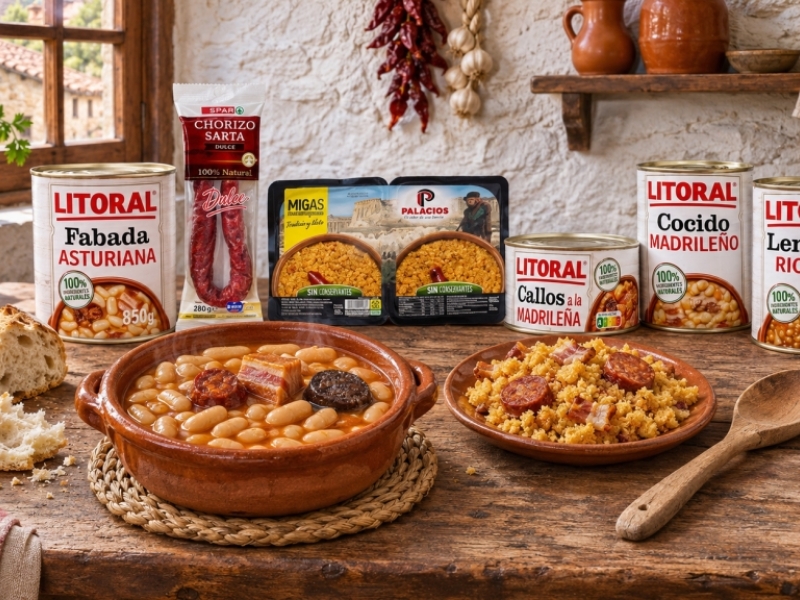
The heart of fabada asturiana is the fabes, the white beans that give the stew its name. They cook slowly with a selection of meats and sausages known as compango. Depending on the recipe, that can include Asturian chorizo, morcilla, a Spanish blood sausage, and bacon or pork belly. Some cooks also add lacón, cured pork shoulder. The meat flavours the broth as it cooks, but a spoonful of tender white beans is still the best place to start.
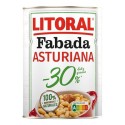
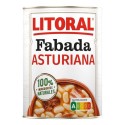
If you’re using dried beans, allow time to soak them and simmer the stew before anyone comes round for lunch. Keep the pot at a gentle simmer and avoid stirring more than you need to so the beans hold their shape. At the table, slice the sausages and divide them among the bowls so everyone gets a taste. For a quicker meal, serve Litoral Asturian fabada with bread on the side.
Migas manchegas, fried bread from Castilla-La Mancha
Migas are associated with shepherds’ cooking and the habit of making the most of leftover bread. In Castilla-La Mancha, cooks cut up day-old bread, moisten it and fry it with oil and garlic. Some versions include chorizo or pork belly. Grapes are a familiar accompaniment, and their fresh sweetness is particularly welcome after a mouthful of hot migas and sausage.
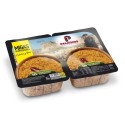
At home, add water a little at a time so the bread softens without becoming sodden. Break up larger pieces with a spatula and keep turning the bread in the pan until the crumbs are loose. Try browning a few slices of SPAR mild sarta chorizo first, then take them out and return them to the pan towards the end. Serve the migas straight from the pan with a bowl of grapes in the middle of the table. If you fancy migas on a day when there’s little time to cook, try Palacios traditional ready-made migas from our shop.
Callos a la madrileña, Madrid-style tripe stew
Callos a la madrileña are part of Madrid’s tradition of cooking with offal. The city’s taverns have long served tripe as a stew, often with chorizo, morcilla and paprika. The slow cooking and gelatin-rich cuts give the sauce body. By the time the dish reaches the table, that sauce is as much a part of the experience as the tripe itself.
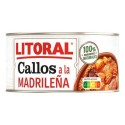
In Madrid you can order callos as a tapa or a larger portion. Bread comes in handy either way. To recreate that tavern custom at home, heat up Litoral Madrid-style tripe and serve it in a dish everyone can reach. It makes a good starter for a leisurely meal when each guest can take a little and there’s enough bread for the sauce. Taste it before adding anything hot, since the level of spice varies with the recipe.
Cocido madrileño, the chickpea stew served in three courses
Madrid’s cocido belongs to a family of Spanish stews based on chickpeas, vegetables and meat. What sets the Madrid version apart at the table is the traditional way of serving it in three stages, called vuelcos. First comes the broth, usually with fine noodles. Chickpeas and vegetables follow, and the meats and sausages are brought out last. One pot supplies the whole meal.
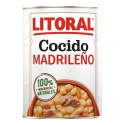
If you’re making cocido at home, serve the soup while it’s hot and get the chickpeas and vegetables onto a platter while everyone eats. You can bring the meats to the table separately so guests can take the portions they prefer. The three courses are also a good excuse to leave time for a long Sunday lunch. For an everyday meal, Litoral cocido madrileño brings chickpeas and their accompaniments together in a ready-to-heat dish.
The order matters if you’re trying this for the first time. Keep the chickpeas and vegetables warm while you serve the broth, and put the meats on a platter just before the final course. People who prefer a smaller lunch can start with a little of each. At a larger table, leaving the platters within reach makes it easy for everyone to help themselves.
Rioja-style lentil stew with chorizo
In lentejas a la riojana, chorizo seasons the lentils as they simmer. The rest varies from one kitchen to another. Onion, garlic and carrot are common, and some recipes include potatoes, pork belly or dried choricero peppers. The combination of pulses, vegetables and sausage makes this a practical dish for an ordinary weekday.
Decide whether you’d like a brothy bowl or a thicker stew. You can adjust the texture towards the end with a splash of hot stock or by letting the pot reduce for a few minutes. For a quick lunch, Litoral Rioja-style lentils are a ready-made option with chorizo. If you’re cooking from scratch, browse the pulses at YourSpanishCorner.com for the base of your next stew. And when there’s bread left over, save it for a pan of migas.